What is WordPress headless and why is it trending?
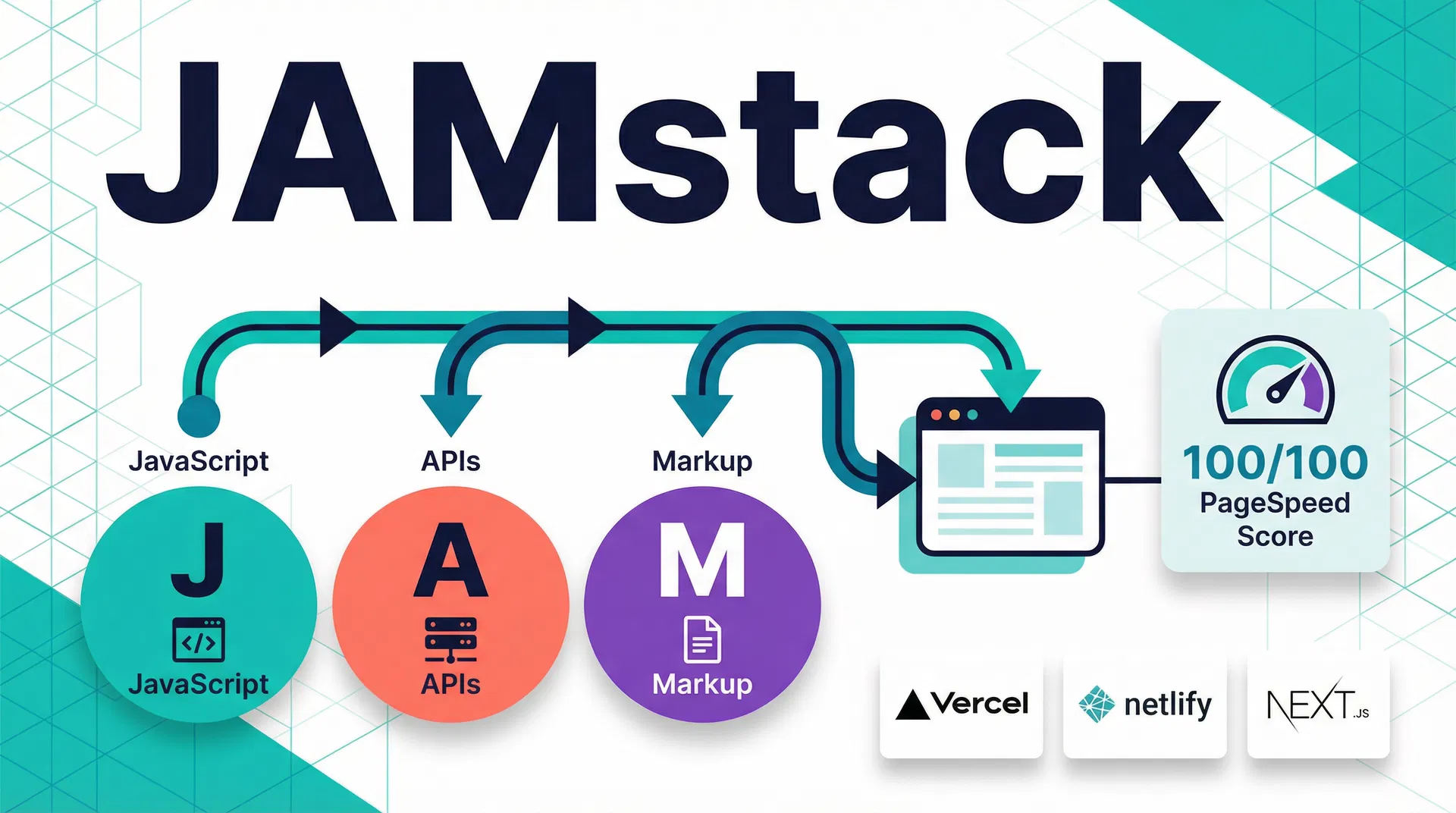
WordPress headless means using WordPress solely as a backend and content API, completely decoupling the frontend. Instead of the traditional PHP theme, the frontend is built with a modern framework such as Next.js, Nuxt, Astro or SvelteKit, which consumes WordPress content through the REST API or WPGraphQL.
Interest in this architecture has grown for legitimate reasons: modern frameworks offer better performance, richer experiences and greater control over the frontend. But there is also a technological fashion component that leads many projects to adopt headless when they do not need it.
Real advantages of WordPress headless
When headless makes sense, the advantages are significant:
- Performance: modern frameworks with SSG (Static Site Generation) or ISR (Incremental Static Regeneration) produce pages that load in milliseconds.
- User experience: navigation without page reload, smooth transitions, rich interactions that are not possible with traditional PHP.
- Separation of concerns: the frontend team works with their tools (React, TypeScript, modern CSS) without depending on the WordPress theme ecosystem.
- Omnichannel: the same WordPress backend serves content to the web, a mobile app, a digital kiosk or any other channel.
The hidden costs nobody mentions
This is where the conversation gets honest. Headless adds complexity that has a real cost:
- Two systems instead of one: you have to keep WordPress updated AND the frontend. Two environments, two deploys, two points of failure.
- Real-time preview: the WordPress preview system does not work natively with decoupled frontends. Implementing it requires additional work.
- Plugins that stop working: many WordPress plugins assume the frontend is PHP. Forms, popups, chat widgets, personalisation tools — many need to be replaced or reimplemented.
- Hosting cost: you need hosting for WordPress (backend) AND for the frontend (Vercel, Netlify, etc.).
- Learning curve: the content team needs to understand that changes in WordPress are not immediately visible on the website (unless you implement ISR or revalidation webhooks).
In projects where we have migrated from traditional WordPress to headless, the initial development time increases by between 40% and 70%. The return on that investment is only justified if the project has performance or user experience requirements that the traditional stack cannot meet.
When headless does make sense
- You have a mobile app or multiple channels that need the same content.
- Performance is critical and you have high traffic (100k+ visits/month) where every millisecond matters.
- The frontend team is solid in React/Next.js and prefers to work outside the PHP ecosystem.
- You need complex user interactions that are not possible with traditional PHP.
When headless does NOT make sense
- Your website is primarily static content (blog, corporate website) without complex interactions.
- The marketing team needs to preview changes in real time without technical intervention.
- You use WordPress plugins that have no equivalent in the headless ecosystem.
- The maintenance budget is limited and you cannot absorb the additional complexity.
"Headless is the right answer for 15% of WordPress projects. For the other 85%, it adds complexity without adding proportional value."— John Hidalgo, Lead Developer at Emovere
Alternatives to consider before going headless
Before committing to a headless architecture, consider these alternatives that can give you 80% of the benefits with 20% of the complexity:
- WordPress + Vite/React on the frontend: you can use React for specific interactive components without decoupling the entire frontend.
- WordPress with aggressive caching: WP Rocket, Cloudflare and a well-configured CDN can bring Core Web Vitals to green without changing the architecture.
- Astro with WordPress as CMS: Astro allows a hybrid approach where most of the site is static but you can add islands of interactivity.
Conclusion: architecture in service of the project
WordPress headless is a powerful tool when used in the right context. The problem is that it has become a signal of technical sophistication that is sometimes adopted for the wrong reasons.
Our recommendation: always start with the simplest architecture that solves the problem. If traditional WordPress well optimised meets the requirements, use it. If in 12 months the requirements grow and headless is justified, migration is easier from a solid base than from a poorly planned project.
Are you evaluating whether headless is the right option for your project? Tell us the requirements and we will give you an honest opinion.